Sympathy Gifts for Jewish People: Thoughtful Choices & Traditions
Choosing a sympathy gift for someone observing Jewish mourning traditions requires understanding their customs. Keepsake Grove offers engraved keepsakes, memorial candles, and personalized remembrances that align with Jewish values of honoring the deceased.
When someone in a Jewish family loses a loved one, they enter a period of structured mourning. Shiva lasts seven days; mourners sit at home, covered mirrors line the walls, and the community gathers to pray and share memories. The right gift during and after this time shows respect for their tradition and offers comfort without intrusion.
What Jewish Mourning Traditions Tell Us About Gift-Giving
Jewish mourning customs guide which gifts are appropriate. The tradition of shiva—sitting for seven days—means the bereaved family stays home. They do not attend work, social events, or leave their house except on the Sabbath. Gifts brought to a shiva house should not require response or action; food, flowers that wilt, or items demanding gratitude can feel burdensome during this sacred time.
After shiva ends, mourners observe shloshim (thirty days) and yahrzeit (the Hebrew anniversary of death each year). These longer periods call for gifts that endure—things the family can keep, hold, and return to during remembrance. Lasting keepsakes align with the Jewish belief that we honor the dead through memory and continued acknowledgment, not through a single gesture.
Why Lasting Keepsakes Are the Right Choice
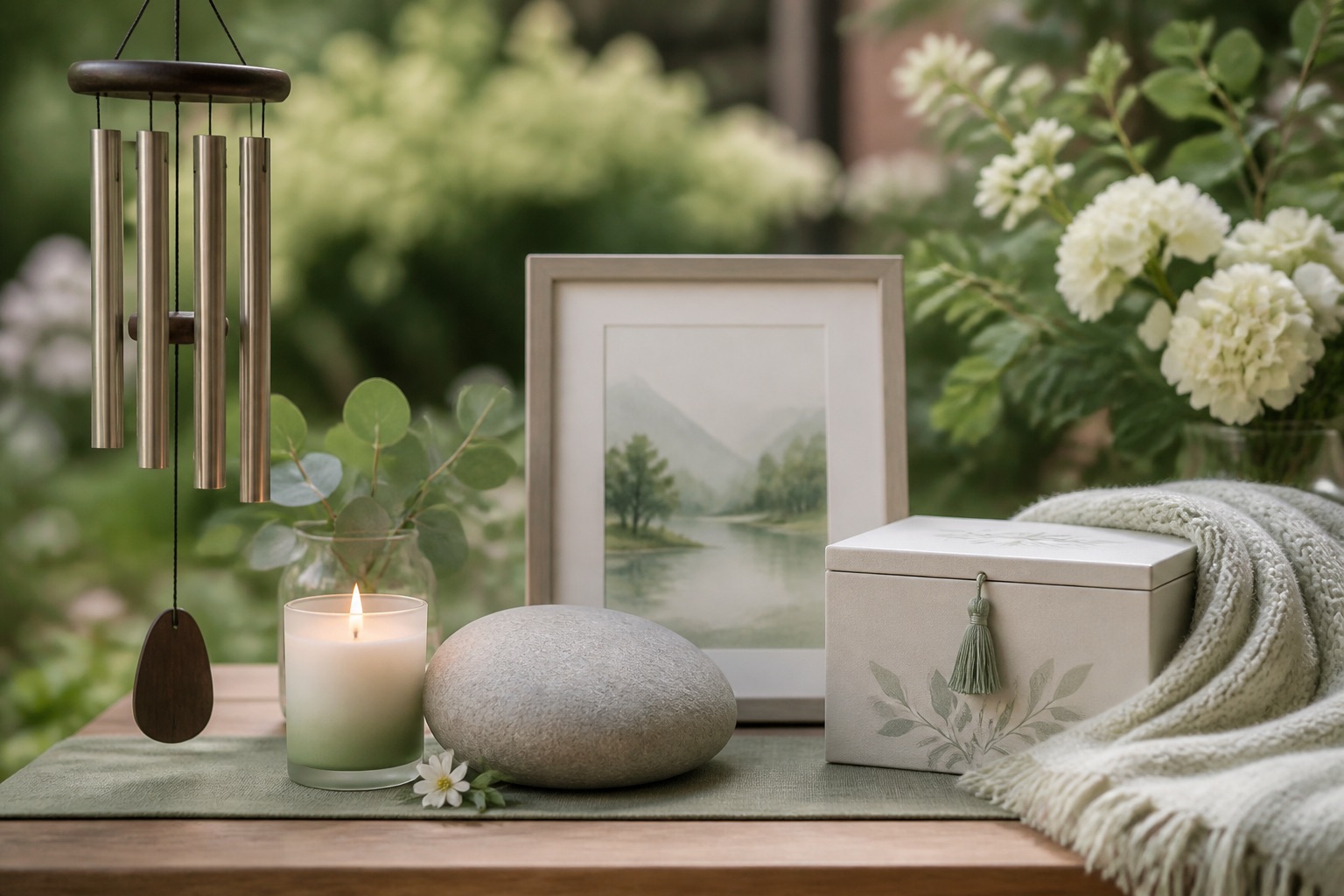
Flowers die. Food gets eaten. But an engraved keepsake—a memorial candle, personalized stone, or remembrance jewelry—becomes part of how a family remembers. Jewish tradition emphasizes l'chaim (to life) and the ongoing bond with those who have passed. A gift that stays in the home, on a shelf, or worn close to the heart fits this worldview perfectly.
Keepsake Grove creates made-to-order keepsakes that families personalize with names, dates, or a meaningful phrase. Because each piece is made to order (2–5 business days production), you can include details that matter—the Hebrew name of the deceased, a date according to the Jewish calendar, or words in Hebrew or English that the family holds dear.
Gift Types That Honor Jewish Traditions
| Gift Type | Who It's For | Why It Works |
|---|---|---|
| Engraved memorial candle | Immediate family; shiva visitors | Burns during yahrzeit; honors the deceased annually; no waste; respectful to the tradition |
| Personalized memorial stone or plaque | Family with a garden or home | Permanent; can be placed where family gathers; honors memory without being morbid |
| Remembrance jewelry or cremation jewelry | Close family; those seeking private comfort | Worn close to heart; allows private connection; discreet; lasts forever |
| Memorial lantern | Family home; outdoor space | Beautiful light; can burn a candle; visible reminder; dignified |
| Engraved keepsake box or vessel | Those who value family items; inheritance-ready | Holds small precious objects; personalized; becomes heirloom |
Each type can be personalized with the loved one's name (in English or Hebrew), dates, and a short phrase. See how personalization works before ordering to ensure spelling and details are exactly right.
What to Avoid & Why
Some gifts, though well-intentioned, don't fit Jewish mourning customs:
- Cut flowers. They wilt and die, mirroring the loss. Potted plants are sometimes acceptable, but lasting items are always safer.
- Gifts requiring action. If a gift asks the family to write a thank-you note, return something, or engage in a task, it adds burden during shiva.
- Food only. While casseroles and platters are traditionally brought, a gift-only approach is impersonal. Food plus a keepsake works well.
- Overly cheerful or spiritual messaging. Avoid cards or items suggesting the loss is a "blessing" or that suffering has a divine purpose. Jewish mourning respects the weight of grief without theology.
- Anything linked to another faith. Unless you know the family's interfaith stance, steer clear of crosses, angels, or religious symbols outside Judaism.
Timing: Shiva, Shloshim, and Yahrzeit Giving
During shiva (first 7 days): Bring a practical gift to the home—food, a candle, flowers (potted). Keep your visit brief. Let the family lead conversation.
After shiva, during shloshim (days 8–30): A personalized memorial gift arrives well. The acute shock has passed; the family is ready to begin choosing how they will remember. This is an ideal time to send an engraved keepsake from Keepsake Grove.
On the first yahrzeit (one year later): Many families light a memorial candle on the Hebrew anniversary. An engraved or personalized candle sent in advance is a deeply meaningful gift. Some families appreciate a remembrance journal or keepsake they can add to over years.
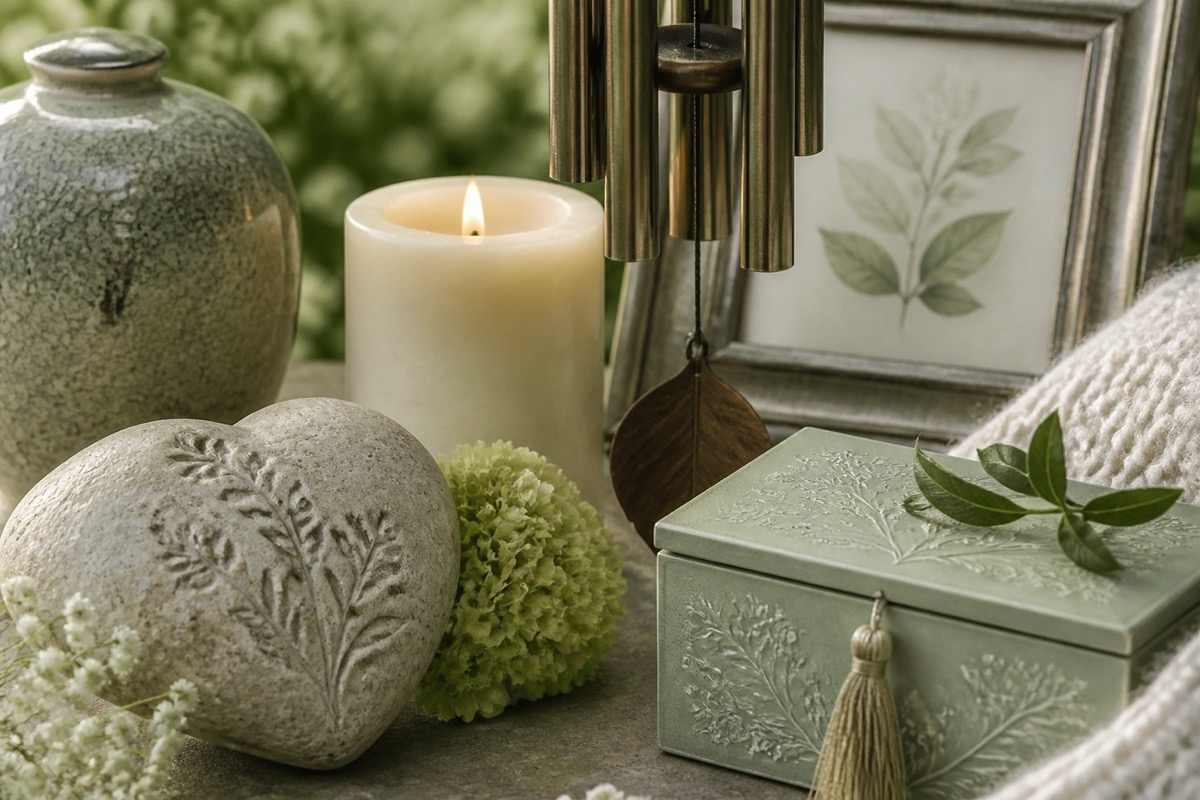
Ongoing: Gifts sent on yahrzeit anniversaries, birthdays, or holidays show lasting respect. A memorial wind chime or memorial lantern can hang in a garden or home indefinitely, a quiet yearly reminder.
Personalizing Your Gift: What to Check Before Ordering
Before you order a personalized keepsake:
- Spelling of the name. In English, Hebrew, or both? Ask the family if unsure.
- Date. Gregorian calendar or Hebrew calendar (Hebraic dates differ)? Birth and death, or death only? Confirm with someone close to the family.
- Any phrase or verse. If adding text, verify exact wording. Common choices: "In loving memory," Zichrono/Zichrona l'vracha (may their memory be a blessing), a loved one's full name, or a meaningful phrase in the deceased's own words.
- Size and material. Engraved stones, jewelry, and candles all have options. Consider where the gift will live—a bedside table, mantelpiece, garden, or worn daily.
- Proof review. Keepsake Grove shows you an image of your personalization before production begins, so you can catch any error.
Because each piece is made to order, production takes 2–5 business days, plus US delivery (2–5 days). UK and EU orders take 5–10 days. Plan ahead, especially for yahrzeit dates. See shipping & returns for full details.
When You're Unsure: Ask & Go Simple
If you're not sure which gift fits, you can't go wrong with:
- A personalized memorial candle (respectful, practical, used every year)
- A memorial stone if the family has a garden
- A thoughtful card paired with food or a modest, durable item
Avoid overthinking. The fact that you're honoring Jewish traditions shows respect. A simple, lasting, well-made keepsake—made to order with care—says more than any rushed purchase.
---
Frequently asked questions
Is it okay to give a sympathy gift during shiva, or should I wait?
Bring a gift to the shiva house if you visit (food, candle, potted plant). Keep it simple and your visit brief. For a more personal keepsake, sending it after shiva ends (during shloshim, days 8–30) is often better received.
Can I personalize a memorial gift with a Hebrew name or date?
Yes. Keepsake Grove personalizes with Hebrew text, English, or both. When ordering, specify exactly what you'd like engraved. You'll see a proof before production, so you can confirm spelling and formatting.
What if the family isn't traditionally observant—does it still matter?
Respect and thoughtfulness matter more than strict adherence to custom. A lasting, non-perishable keepsake works for any Jewish family. If you're close enough to ask what they'd prefer, do so. Otherwise, an engraved candle or stone is a safe, dignified choice.
How long does it take to get a personalized sympathy gift?
Production takes 2–5 business days; US delivery is 2–5 days after that. For UK/EU, add 5–10 days. Plan ahead for yahrzeit dates. See shipping details to confirm.
Can I include a handwritten note with my gift?
Yes. Keepsake Grove offers a handwritten card option. A brief, sincere note—acknowledging the loss and your connection to the family—is always welcome.